


Understanding and mitigating impact on biodiversity isn't just about corporate responsibility; it's about safeguarding the future of our ecosystems and the species that inhabit them. This is where the Supply Chain Biodiversity Footprint (SCBF) assessment comes into play.
At Tunley Environmental®, we understand the imperative of assessing and addressing the biodiversity footprint of supply chains. Our SCBF assessment is more than just a tool; it's a roadmap to understanding and improving the environmental impact of your operations. Let's delve deeper into what the SCBF assessment entails, why it matters, and how it can guide businesses towards a more sustainable future.
What is SCBF?
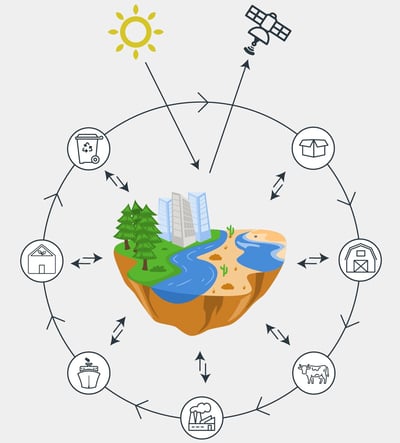
The SCBF assessment is a comprehensive evaluation of the biodiversity impact of supply chain activities. It goes beyond traditional environmental assessments by specifically focusing on factors such as land use changes, resource extraction, pollution, and habitat restoration initiatives. By analysing every aspect of your supply chain, the SCBF assessment provides a holistic view of your company's supply chain biodiversity footprint.
Aligning with Science Based Targets for Nature (SBTN)
In today's rapidly changing world, setting ambitious sustainability goals is essential. Science Based Targets for Nature (SBTN) provide a framework for companies to align their biodiversity conservation efforts with global objectives. By conducting SCBF assessments, businesses can identify opportunities to set science-based targets that contribute to the preservation and restoration of biodiversity, in order to further align themselves with impactful initiatives such as SBTN and Nature Positive.
Why are SCBF Assessments Important?
Mitigating Risks: Companies that neglect their biodiversity footprint risk facing regulatory penalties, reputational damage, and supply chain disruptions. The SCBF assessment helps identify and mitigate these risks by providing insights into areas of high biodiversity impact.
Engaging Stakeholders: Investors, customers, and other stakeholders are increasingly concerned about environmental sustainability. SCBF assessments demonstrate a company's commitment to responsible business practices, enhancing stakeholder trust and engagement.
Driving Innovation: SCBF assessments uncover opportunities for innovation and efficiency improvements. By identifying biodiversity-friendly practices, companies can reduce costs, enhance competitiveness, and create value for stakeholders.
Ensuring Long-Term Sustainability: Preserving biodiversity is essential for the long-term viability of businesses and ecosystems. SCBF assessments enable companies to align their operations with broader sustainability goals, contributing to the preservation of ecosystems and species for future generations.
Tunley's Method
We employ a methodical approach to SCBF assessment:
Assessment:
We dive into your supply chain, delving into each activity that influences biodiversity. The SCBF assessment unveils the intricate ways in which supply chains impact biodiversity, shedding light on factors such as land use changes, resource extraction, pollution, and habitat restoration initiatives.
Measurement:
Our approach involves quantifying the impact of biodiversity from these supply chain activities by using the species.year metric as well as implementing statistical models known as EXIOBASE and ReCiPE. The analysis spans over impacts on terrestrial, freshwater, and marine ecosystems and incorporates 20+ environmental processes such as habitat destruction, climate change, eutrophication, acidification, among others. Each activity or commodity within your supply chain undergoes scrutiny, with its contribution to the overall SCBF. This quantitative analysis provides invaluable insights into the extent of your supply chain's impact on biodiversity.
Implementation:
Providing insights gained from the SCBF assessment, we offer a panoramic view of your supply chain's biodiversity impact. This comprehensive understanding equips stakeholders, including your own team, with the knowledge needed to make informed decisions. By illuminating areas where conservation efforts and sustainable practices are imperative, we empower you to take proactive steps towards mitigating your SCBF and fostering biodiversity conservation.
Conclusion
The Supply Chain Biodiversity Footprint (SCBF) assessment is more than just a tool; it's a pathway to a more sustainable future. By understanding and mitigating the biodiversity impact of supply chain activities, businesses can demonstrate leadership in sustainability and contribute to the preservation of our planet's ecosystems. At Tunley Environmental, we're committed to helping businesses navigate the complexities of supply chain sustainability and biodiversity conservation. Let's work together to make a positive impact on our planet.